Inclusive education has emerged as the backbone of modern educational infrastructure. As societies continue to evolve and the diversity of learners increases, education systems are required to adapt in order to provide equal access to quality learning for all students.
In today’s global education landscape, inclusive education is no longer optional. It has become a fundamental expectation for schools and learners seeking meaningful and equitable educational experiences.
What Is Inclusive Education?
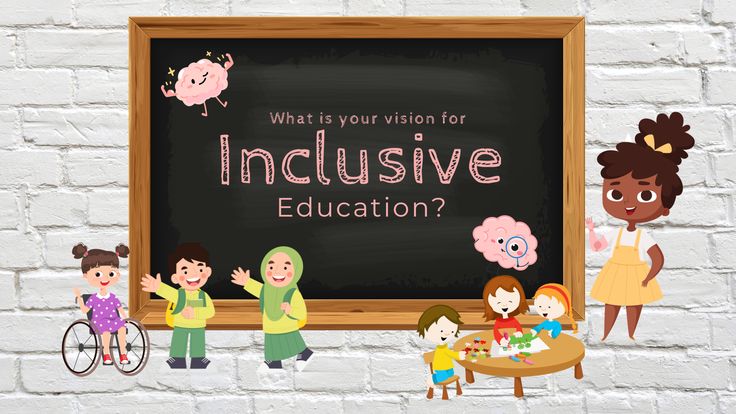
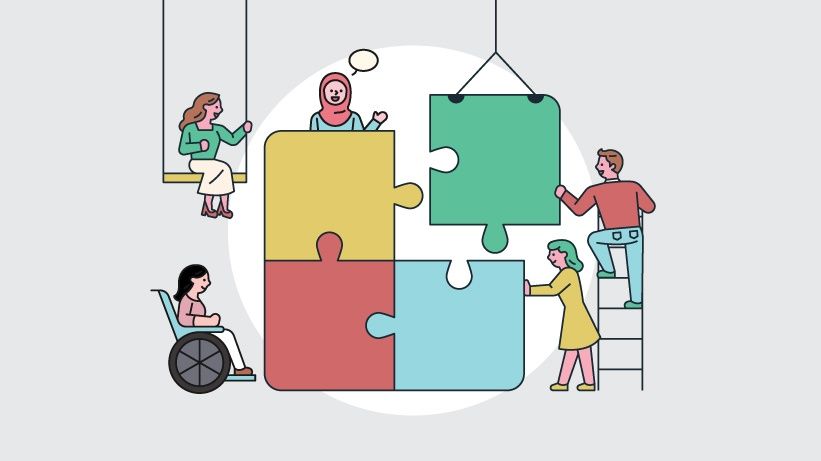
Inclusive education is an educational approach that views diversity as a strength rather than a limitation. It seeks to integrate all students into shared learning environments while providing appropriate support to meet a wide range of learning needs.
Unlike traditional education models that rely on standardized, one-size-fits-all instruction, inclusive education emphasizes flexibility, adaptability, and learner-centered teaching strategies. This approach ensures that every student has the opportunity to participate, learn, and succeed.
The Importance of Inclusive Education in Contemporary Education

Inclusive education plays a critical role in promoting educational equity and social cohesion. Students who learn in inclusive settings develop empathy, mutual respect, and the ability to collaborate with peers from diverse backgrounds.
From an academic perspective, inclusive learning environments support differentiated instruction, enabling teachers to tailor their methods to accommodate varying learning styles, abilities, and strengths. This results in improved engagement and more effective learning outcomes for all students.
The Role of Educators and Institutions in Inclusive Education
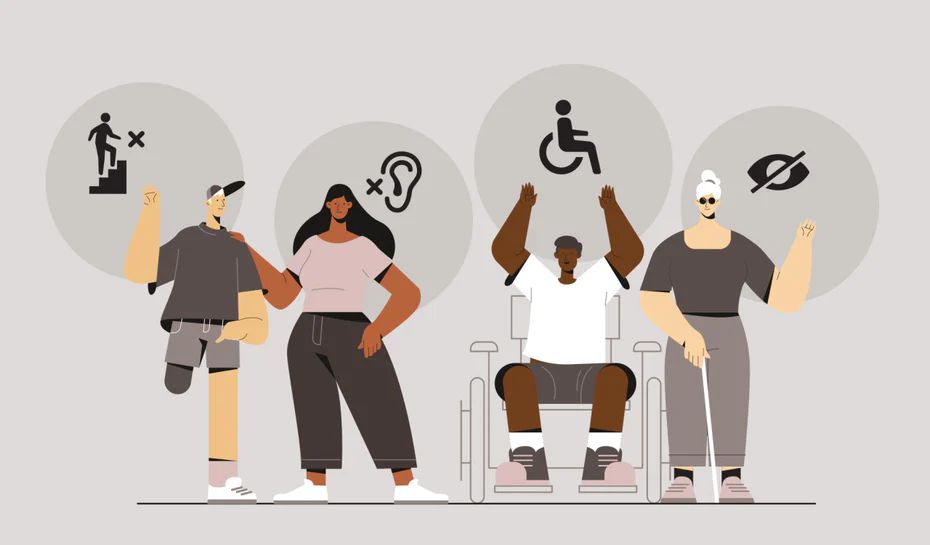
Educators are central to the successful implementation of inclusive education. By adopting inclusive teaching practices, encouraging participation, and creating supportive classroom cultures, teachers can ensure that all students feel valued and empowered.
Educational institutions also play a vital role by providing professional development, inclusive policies, and adequate resources. When inclusion is embedded at both the classroom and institutional levels, it becomes a sustainable and impactful part of the education system.
Inclusive Education and Student Well-Being
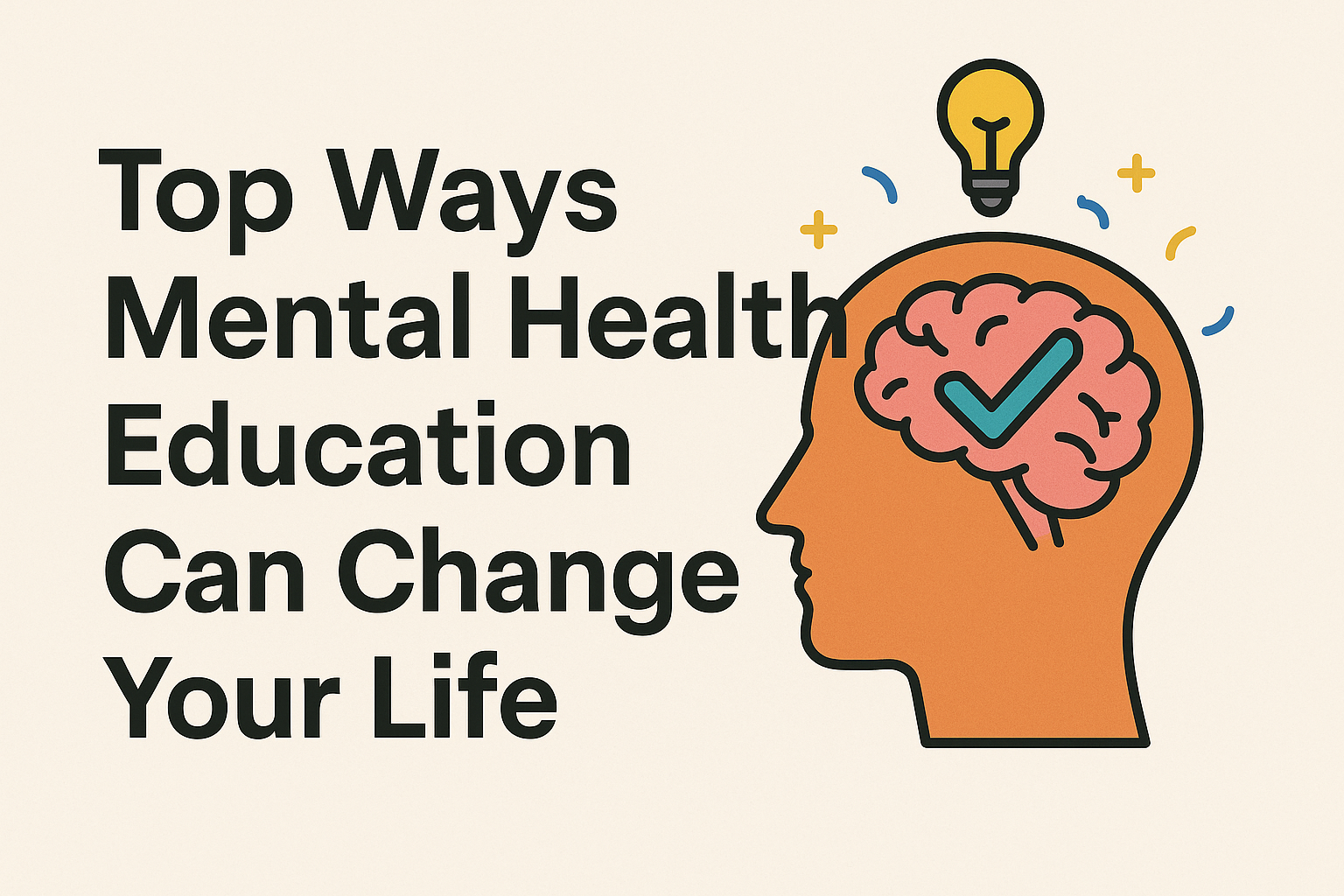
Inclusive education has a strong and positive impact on student well-being. Learning environments that promote acceptance and belonging help students build confidence, emotional resilience, and a sense of security. When students feel respected and supported, they are more likely to engage actively in learning and maintain positive mental health. This highlights the close connection between inclusive education, student well-being, and long-term academic success.
Conclusion
Inclusive Education represents a revolution in learning that recognizes that learning with differences is no longer a barrier to learning but is rather seen as having value to learning. This is because adaptable learning processes and learning environments provide opportunities for all to participate in the learning process.
Along with the development in the sector of education, the commitment of the teaching community to the cause of inclusive education has become the need of the day. When the spirit of inclusive education gets imprinted in the fabric of the education sector, it has the potential to pave the way for the overall success of students. Inclusive education, therefore, provides the base for a resilient and progressive education sector.