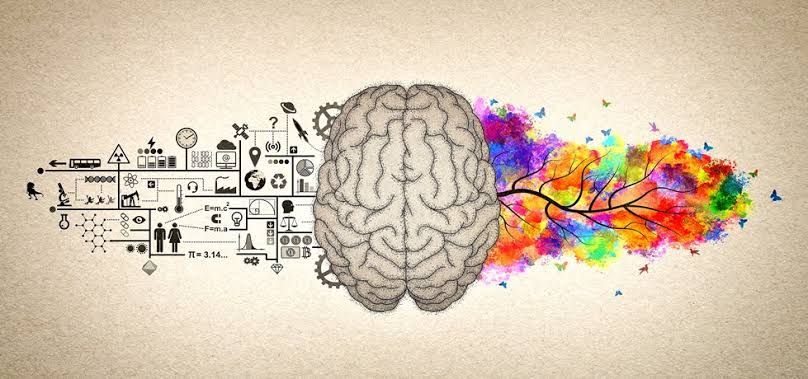
Learning, technology, and pedagogy are not what education is all about. Deep connections exist between education and another discipline called psychology, which is the study of human thought, emotions, and behavior. It is important for everyone interested in education as a discipline to understand how the human brain functions from a learning perspective.
Today, educators around the world are coming to realize that effective learning comes from an understanding of the human brain.
How the Brain Learns

Learning is a cognitive process, and the brain does not absorb information effectively unless it is presented in a structured, relevant, and engaging way. Processes such as repetition, active recall, and meaningful context play a critical role in comprehension and long-term memory formation.
Neuroscience research confirms that students learn more effectively when teaching methods align with how the human brain naturally works. As a result, modern education has shifted toward instructional practices that emphasize clarity, interaction, and real-world application.
Motivation and Student Behavior

Motivation is one of the most powerful psychological drivers of learning. When students are motivated, they tend to be more engaged, focused, and open to new challenges. Motivation can arise from internal factors, such as curiosity and personal goals, as well as external factors like encouragement, feedback, and supportive learning environments.
Educational psychology highlights the importance of nurturing intrinsic motivation. When students feel confident, valued, and purposeful in their learning, positive academic behavior and persistence naturally follow.
Mental Health and Student Well-Being

Mental health is a crucial yet often overlooked factor in the learning process. Stress, anxiety, and emotional pressure can significantly affect concentration, memory, and academic performance. Without psychological well-being, even the most effective teaching strategies may fail to produce meaningful learning outcomes. As awareness grows, educational institutions worldwide are integrating mental health support, emotional literacy, and well-being initiatives into their systems. A learning environment that prioritizes psychological safety allows students not only to perform academically but also to develop resilience and emotional balance.
Conclusion
Psychology plays an important part in the learning process and offers useful information regarding the thoughts and behaviors of students. Brain function and the motivation levels of students also play an important part in the learning process and make learning interesting and effective.
Given the dynamic nature of the current state of education, it is integral that the tenets of psychology be included in the techniques of enhancing a culture of success within the educational institutions. The major components of success within this context would be the emphasis on motivation, health, as well as cognitive synchronization.