Artificial intelligence is not a distant dream for professionals dealing in this technological area. Talking specifically about education sector changes being brought by AI, this technology is bringing a paradigm shift in how education is delivered, received, and measured. With a new academic journey on hand that meets requirements of an igital age, a forthcoming era of intelligence is being witnessed in this sector.
In America, AI technology is applied in the education process from K-12 and even in higher education.
Introduction of Artificial Intelligence in Education
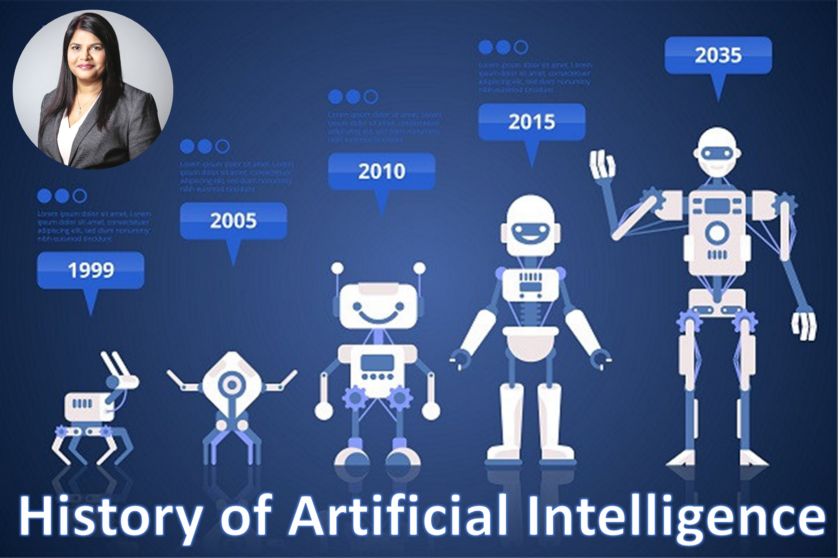
There has been a tremendous increase in the adoption rate of artificial intelligence technology in teaching. Sophisticated algorithms and intelligent data analytics are now being used to enhance teaching best practices.
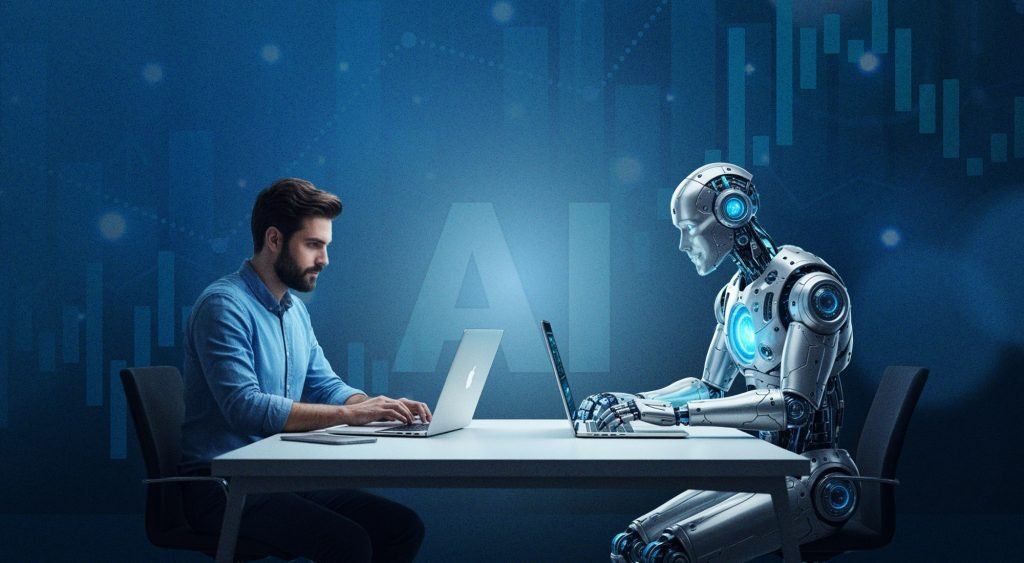
Learning institutions are incorporating AI tools that assist both teachers and students. This shows that the education industry has shifted from standardized education to adaptive education.
The Impact of AI on the Learning Experience
Personalized Learning at Scale
Personalization, which can be recognized as the most important use of AI technology in the global education context, can be defined as the process where AI technology is utilized for analyzing student activities, learning patterns, and performance data for the purpose of offering learning materials that cater to individual needs and learning speeds.
Through AI-powered platforms, students are able to receive customized content, feedback, and assessments that align with their academic strengths and areas requiring improvement.
AI-Driven Assessment and Academic Evaluation
Another significant contribution of artificial intelligence in education lies in assessment and evaluation. AI systems enable real-time monitoring of student progress and provide data-driven insights that help educators make informed instructional decisions.
Automated grading, predictive analytics, and performance tracking not only reduce administrative workload for educators but also enhance fairness, accuracy, and transparency in academic evaluation.
Conclusion
Artificial intelligence is reshaping the education sector by introducing intelligent, adaptive, and learner-centered approaches to teaching and learning. From personalized learning experiences to data-driven assessments, AI has proven to be a powerful tool in addressing the evolving needs of modern education.
As educational institutions continue to integrate AI technologies, the focus must remain on ethical implementation, accessibility, and human-centered design. When applied responsibly, artificial intelligence has the potential to create a more inclusive, effective, and future-ready education system.